✨ What’s coming up in April ✨
Fall Prevention Month
April Falls Month is an annual campaign to raise awareness about the impact of falls and to promote the latest best practice fall prevention strategies.
Parkinsons Month
Dedicated to increasing understanding of the neurodegenerative disorder, funding research, and supporting the millions affected worldwide.
Autism Awareness Day
Thu, 2 April
Recognising Autistic people, celebrating strengths and encouraging a shift from awareness to understanding.
World Health Day
Tues, 7 April
Celebrated annually and each year draws attention to a specific health topic of concern to people all over the world. This year’s theme is together for health. Stand with science.


For many families, Paediatric strollers can support community access, daily routines, fatigue management, and safe positioning. The right stroller can increase independence, reduce caregiver strain, and ensure a child can participate comfortably in everyday life.
At AC Mobility, we work closely with therapists, families and carers to match each child with equipment that suits their needs now and as they grow. Below our Allied Health team share some important features to consider when prescribing or selecting a paediatric stroller.
Every stroller is designed with a maximum user weight.
It’s essential to choose a stroller that not only fits the child now but allows room for growth and long-term use. Exceeding the weight capacity can compromise safety, manoeuvrability, and frame stability so always match the stroller to the child’s weight range and consider future needs.
Children grow quickly, and their equipment needs to keep up.
Look for:
A stroller with solid growth adjustability reduces long-term costs and means the child can stay comfortable and supported as they develop.
Different children and families benefit from different seating orientations:
Many modern paediatric strollers offer reversible seat options, giving families flexibility as needs change.
Every child’s postural needs are unique. Paediatric strollers can range from:
Identifying the level of support needed is one of the most important steps in equipment selection and should always be done collaboratively with a therapist.
A stroller that’s difficult to fold becomes a daily barrier.
Families should test:
A smooth, well-designed folding system can significantly reduce stress, especially for parents rushing between appointments, school runs and outings.
Weight matters especially when lifting the stroller into and out of a vehicle.
Lightweight frames offer great convenience, while heavier tilt-in-space or high-support models often require additional consideration or even mechanical assistance. Always ensure the primary caregiver can lift and manage the stroller safely.
Not every stroller fits in every car boot.
Before prescribing, check:
A perfectly prescribed stroller is only useful if it can travel with the family wherever they need to go.
Transfers should always match the child’s abilities and the caregiver’s capabilities.
Consider:
Ensuring safe, consistent transfer methods reduces risk of injury and improves daily usability.
Accessories can significantly improve comfort, access and clinical suitability.
Common additions include:
These add-ons help customise the stroller to suit real-life routines.
Final Thoughts
Selecting the right paediatric stroller is a combination of clinical assessment, family lifestyle needs and practical considerations. The best choice is one that supports the child’s safety, comfort and participation while making daily life easier for parents and carers.
At AC Mobility, our team is here to help therapists and families find the perfect fit.
Explore our full paediatric stroller range here:
👉 https://acmobility.com.au/product-category/paediatric/strollers-pediatric/
Choosing the right rollator isn’t just about price, it’s about matching its features to the user’s body, lifestyle, and where they’ll use it most. Here are the most important features to think about:
A rollator should suit the user’s height, the handle height should allow slightly bent elbows in a natural walking posture. Look for models where the height range includes your measurement.
If you plan to rest frequently during walks, a comfortable padded seat and, ideally, a backrest are essential. Check both seat width and height to ensure it’s comfortable and safe for sitting and standing.
Reliable, easy-to-use hand brakes are critical for safety, both when walking and when stopping to sit. Test that brakes are reachable and not too stiff especially if hand strength is limited.
If you’ll fold it for transport or storage, check:
Baskets, bags or trays are great for errands or carrying items like water, a phone, or shopping. Some options also include straps or clips to secure accessories.
Ensure the maximum user weight capacity suits the person who will use it, overloading can compromise safety and stability.
Comparing Rollators: Which One Suits You?
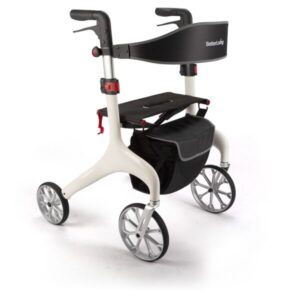
If lightweight meets comfort is your priority, this model stands out.
Key features:
Best for: Everyday users who want a premium, easy-to-handle rollator without sacrificing comfort.
For more info visit: https://acmobility.com.au/product/betterliving-ultralight-carbon-fibre-wheeled-walker-rollator/
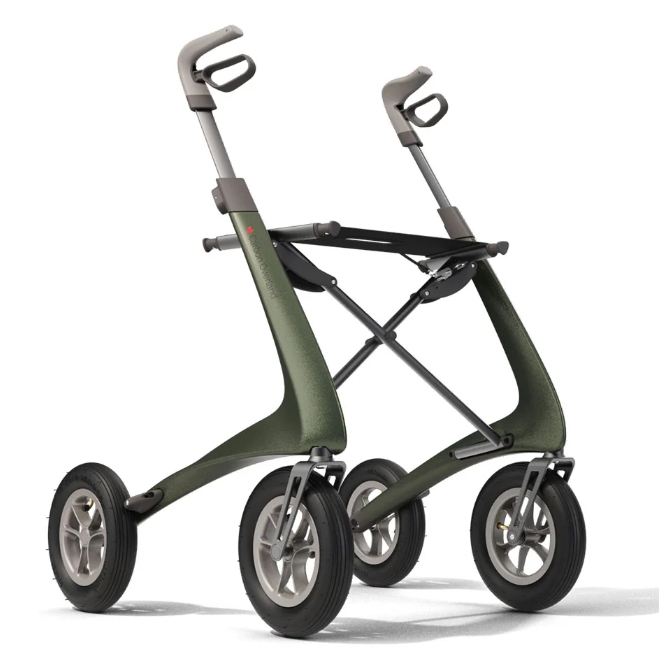
Built for those who want maximum portability without compromise.
Key features:
Best for: Active walkers, frequent travellers, or anyone lifting their rollator into vehicles often.
For more info visit: https://acmobility.com.au/product/byacre-carbon-overland-walker/
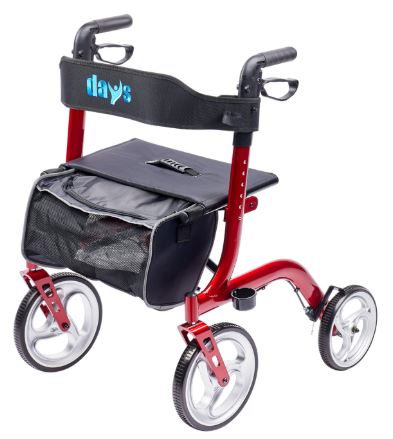
A trusted classic with a balance of comfort, strength, and everyday practicality.
Key features:
Best for: Daily use both indoors and outdoors — ideal if you want reliability and comfort in one package.
For more info visit: https://acmobility.com.au/product/days-superlite-deluxe-rollator/
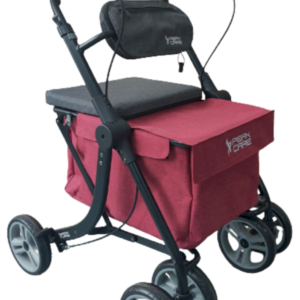
A straightforward, no-fuss rollator for essential mobility support.
Key features:
Best for: Those who want basic support without extra bells and whistles, a strong budget-friendly option.
For more info visit: https://acmobility.com.au/product/peak-care-ezshopper/
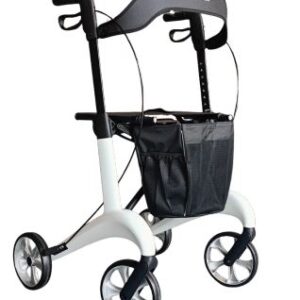
Combining carbon-style weight savings with solid performance.
Key features:
Best for: Users looking for a comfortable ride with a lighter frame but still prioritising strength and steady feel.
For more info visit: https://acmobility.com.au/product/peak-care-levitas-carbon-fibre-rollator/
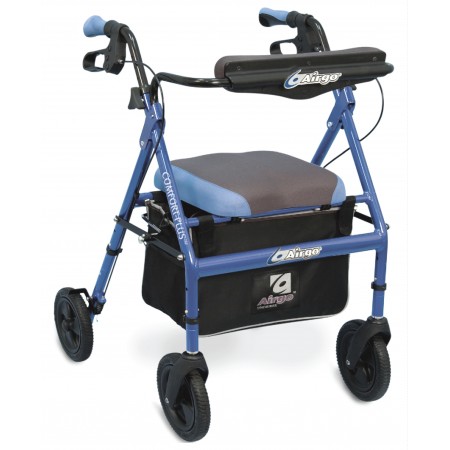
Focuses on comfort and stability, especially on longer rests and walks.
Key features:
Best for: Users who value comfort over weight, especially if they plan to sit frequently or walk for longer stretches.
For more info visit: https://acmobility.com.au/product/airgo-comfort-plus/
To pick the best rollator:
