At AC Mobility, our paediatric bathroom and hygiene range is designed to support children, families, and therapists with practical, adaptable solutions that grow with the child.
Why the Right Equipment Matters
Bathroom environments are one of the highest-risk areas in the home due to water, slippery surfaces, and the need for transfers.
The right assistive equipment can:
For many children, maintaining safe and comfortable positioning during bathing or toileting is critical.
Look for features such as:
These features help manage muscle tone, fatigue, and postural control, ensuring the child is supported throughout the routine. Many systems offer adjustable components to grow with the child and adapt over time.
One of the biggest advantages in modern paediatric hygiene equipment is multi-use functionality.
Examples include:
This reduces:
Products like combination bathroom chairs are designed specifically to streamline routines and improve safety.
Children grow quickly and their needs change.
Key adjustable features include:
Many paediatric systems come in multiple sizes or have modular components to ensure long-term use and value.
Safety is non-negotiable in bathroom environments.
Important safety features include:
These features reduce the risk of slips and falls in wet environments and provide peace of mind for families and carers.
Hygiene equipment must be practical for everyday use.
Look for:
Many products are specifically designed to withstand frequent cleaning while maintaining durability and comfort.
Supporting the carer is just as important as supporting the child.
Key features that help include:
These features minimise physical strain and make daily routines safer and more sustainable.
Choosing the Right Equipment
Every child is different, which is why selecting the right equipment should always be guided by:
At AC Mobility, we offer:
This ensures families can confidently choose equipment that truly fits their needs.
👉 Browse the full range here: Paediatric Bathroom & Hygiene Range
April is Falls Prevention Month, a timely reminder that preventing falls ia about creating safer environments, building confidence, and supporting independence in everyday life.
Falls can happen in the most ordinary moments: getting out of the shower, standing up from a chair, stepping out of the car, or moving around the home when tired. But the good news is that small, practical changes can significantly reduce the risk.
At AC Mobility, we help people feel confident, capable, and supported in their daily routines.
Most falls don’t happen during high-risk activities. They happen during:
This is why the right equipment, placed in the right moments, can make all the difference.
One of the simplest ways to reduce falls is by improving surface safety.
Non-slip mats are designed to:
The BetterLiving range is specifically designed to reduce the risk of falls and tripping in and around the home . Best for: bathrooms, kitchens, bedside areas, and entryways
BetterLiving Non Slip Mats
Many falls happen during transitions such as sitting, standing, stepping in or out.
Grab rails provide:
Suction grab rails are especially useful because they:
Getting in and out of the car is one of the most overlooked fall risks.
The Car Handy Bar:
Best for: older adults, post-surgery recovery, and reduced mobility
Car Handy Bar
Standing up from a chair is one of the highest-risk moments for falls.
The Assist-A-Tray:
Even with prevention strategies in place, it’s important to have backup support.
Personal alarms:
For individuals at higher risk, monitoring systems can:
These systems are especially valuable in:
Explore the full range here:
https://acmobility.com.au/product-category/fall-prevention/
✨ What’s coming up in April ✨
Fall Prevention Month
April Falls Month is an annual campaign to raise awareness about the impact of falls and to promote the latest best practice fall prevention strategies.
Parkinsons Month
Dedicated to increasing understanding of the neurodegenerative disorder, funding research, and supporting the millions affected worldwide.
Autism Awareness Day
Thu, 2 April
Recognising Autistic people, celebrating strengths and encouraging a shift from awareness to understanding.
World Health Day
Tues, 7 April
Celebrated annually and each year draws attention to a specific health topic of concern to people all over the world. This year’s theme is together for health. Stand with science.


For many families, Paediatric strollers can support community access, daily routines, fatigue management, and safe positioning. The right stroller can increase independence, reduce caregiver strain, and ensure a child can participate comfortably in everyday life.
At AC Mobility, we work closely with therapists, families and carers to match each child with equipment that suits their needs now and as they grow. Below our Allied Health team share some important features to consider when prescribing or selecting a paediatric stroller.
Every stroller is designed with a maximum user weight.
It’s essential to choose a stroller that not only fits the child now but allows room for growth and long-term use. Exceeding the weight capacity can compromise safety, manoeuvrability, and frame stability so always match the stroller to the child’s weight range and consider future needs.
Children grow quickly, and their equipment needs to keep up.
Look for:
A stroller with solid growth adjustability reduces long-term costs and means the child can stay comfortable and supported as they develop.
Different children and families benefit from different seating orientations:
Many modern paediatric strollers offer reversible seat options, giving families flexibility as needs change.
Every child’s postural needs are unique. Paediatric strollers can range from:
Identifying the level of support needed is one of the most important steps in equipment selection and should always be done collaboratively with a therapist.
A stroller that’s difficult to fold becomes a daily barrier.
Families should test:
A smooth, well-designed folding system can significantly reduce stress, especially for parents rushing between appointments, school runs and outings.
Weight matters especially when lifting the stroller into and out of a vehicle.
Lightweight frames offer great convenience, while heavier tilt-in-space or high-support models often require additional consideration or even mechanical assistance. Always ensure the primary caregiver can lift and manage the stroller safely.
Not every stroller fits in every car boot.
Before prescribing, check:
A perfectly prescribed stroller is only useful if it can travel with the family wherever they need to go.
Transfers should always match the child’s abilities and the caregiver’s capabilities.
Consider:
Ensuring safe, consistent transfer methods reduces risk of injury and improves daily usability.
Accessories can significantly improve comfort, access and clinical suitability.
Common additions include:
These add-ons help customise the stroller to suit real-life routines.
Final Thoughts
Selecting the right paediatric stroller is a combination of clinical assessment, family lifestyle needs and practical considerations. The best choice is one that supports the child’s safety, comfort and participation while making daily life easier for parents and carers.
At AC Mobility, our team is here to help therapists and families find the perfect fit.
Explore our full paediatric stroller range here:
👉 https://acmobility.com.au/product-category/paediatric/strollers-pediatric/
Choosing the right rollator isn’t just about price, it’s about matching its features to the user’s body, lifestyle, and where they’ll use it most. Here are the most important features to think about:
A rollator should suit the user’s height, the handle height should allow slightly bent elbows in a natural walking posture. Look for models where the height range includes your measurement.
If you plan to rest frequently during walks, a comfortable padded seat and, ideally, a backrest are essential. Check both seat width and height to ensure it’s comfortable and safe for sitting and standing.
Reliable, easy-to-use hand brakes are critical for safety, both when walking and when stopping to sit. Test that brakes are reachable and not too stiff especially if hand strength is limited.
If you’ll fold it for transport or storage, check:
Baskets, bags or trays are great for errands or carrying items like water, a phone, or shopping. Some options also include straps or clips to secure accessories.
Ensure the maximum user weight capacity suits the person who will use it, overloading can compromise safety and stability.
Comparing Rollators: Which One Suits You?
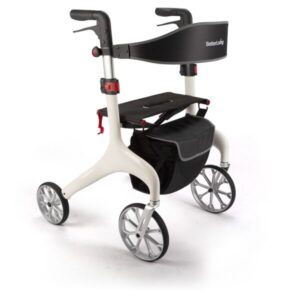
If lightweight meets comfort is your priority, this model stands out.
Key features:
Best for: Everyday users who want a premium, easy-to-handle rollator without sacrificing comfort.
For more info visit: https://acmobility.com.au/product/betterliving-ultralight-carbon-fibre-wheeled-walker-rollator/
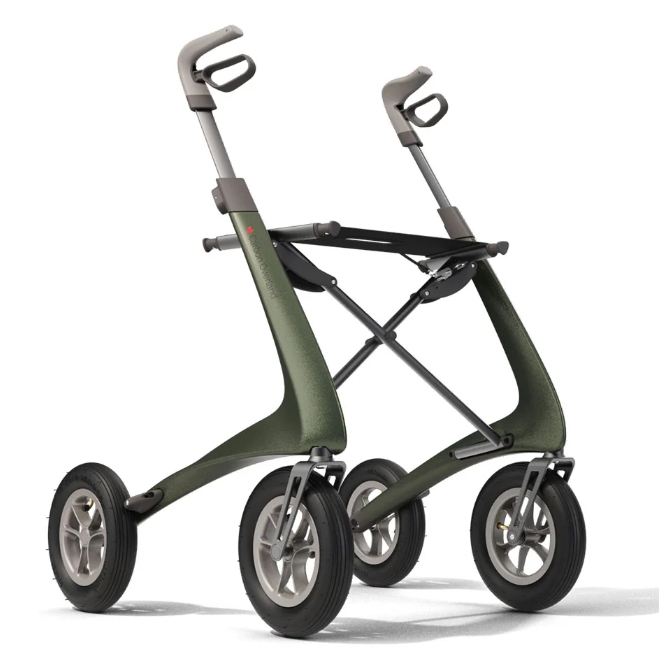
Built for those who want maximum portability without compromise.
Key features:
Best for: Active walkers, frequent travellers, or anyone lifting their rollator into vehicles often.
For more info visit: https://acmobility.com.au/product/byacre-carbon-overland-walker/
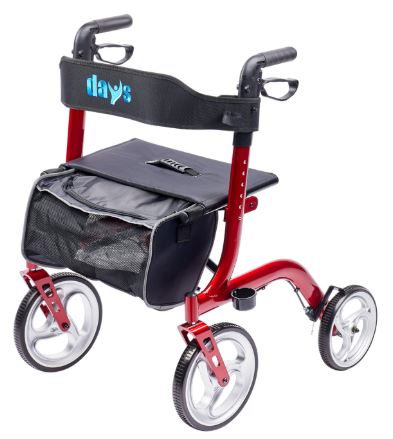
A trusted classic with a balance of comfort, strength, and everyday practicality.
Key features:
Best for: Daily use both indoors and outdoors — ideal if you want reliability and comfort in one package.
For more info visit: https://acmobility.com.au/product/days-superlite-deluxe-rollator/
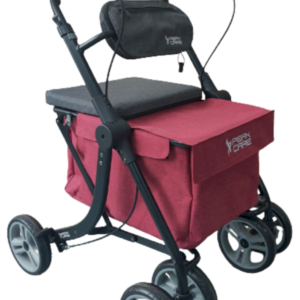
A straightforward, no-fuss rollator for essential mobility support.
Key features:
Best for: Those who want basic support without extra bells and whistles, a strong budget-friendly option.
For more info visit: https://acmobility.com.au/product/peak-care-ezshopper/
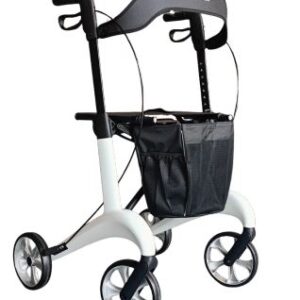
Combining carbon-style weight savings with solid performance.
Key features:
Best for: Users looking for a comfortable ride with a lighter frame but still prioritising strength and steady feel.
For more info visit: https://acmobility.com.au/product/peak-care-levitas-carbon-fibre-rollator/
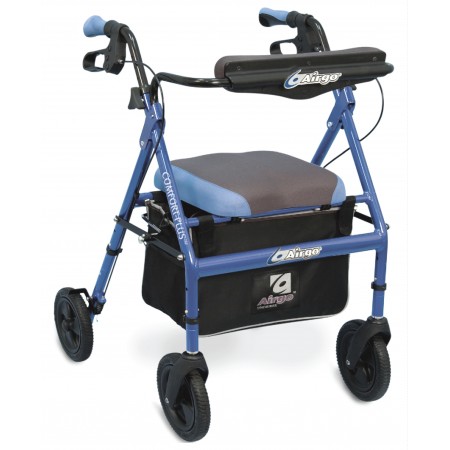
Focuses on comfort and stability, especially on longer rests and walks.
Key features:
Best for: Users who value comfort over weight, especially if they plan to sit frequently or walk for longer stretches.
For more info visit: https://acmobility.com.au/product/airgo-comfort-plus/
To pick the best rollator:
Standard child car seats aren’t always enough when a child requires extra postural support, comfort or specialised positioning.
AUSAP is an independent program that assesses the safety and performance of special purpose car seats designed for children and young people with disabilities or medical conditions.
Products published on the AUSAP National Product Register have been evaluated to ensure they meet rigorous safety and performance standards.
Below is a guide to some of the specialised car seats available through AC Mobility that have been AUSAP assessed, helping families, carers and health professionals make informed choices.
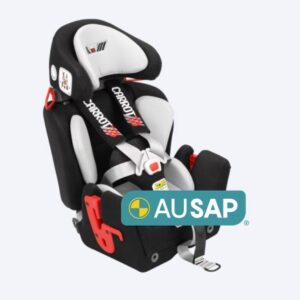
The Carrot 3000 is a highly adjustable special purpose car seat designed to keep children with limited head, trunk or pelvic stability safe and well-supported while travelling. It features extensive growth-adjustable options and accessories to extend its useful life as the child grows.
For more info visit: https://acmobility.com.au/product/carrot-3000/
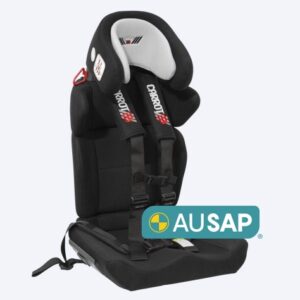
For older children and small adults who have outgrown the Carrot 3000, the Carrot XL provides continued support with larger dimensions and enhanced postural features. This seat also includes wide shoulder protectors and adjustable components designed to provide comfort and protection during travel.
For more info visit: https://acmobility.com.au/product/carrot-xl/
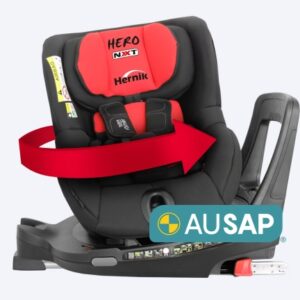
The Hero-NXT car seat stands out as a swivel-base special purpose seat that can be used in both rear- and forward-facing positions. It caters to infants and young children with complex support needs, and its design includes postural support features that help maintain safe positioning throughout a journey.
For more info visit: https://acmobility.com.au/product/hero-nxt/
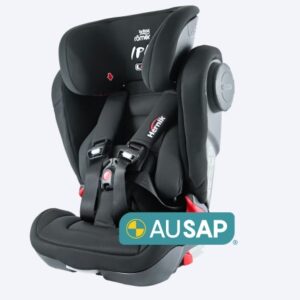
The iPai-LGT is a lightweight, adjustable car seat with built-in ISOFIX for easy installation in compatible vehicles. It includes padded thoracic supports and a 5-point harness system that provides mild postural support while ensuring a secure and comfortable seating position.
For more info visit: https://acmobility.com.au/product/ipai-lgt/
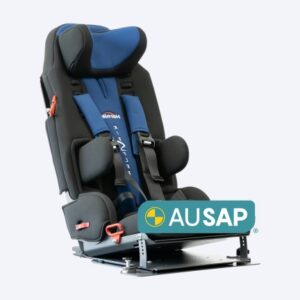
With a slim base and adjustable seat depth, the Kidsflex car seat is adaptable as a child grows. Its robust structure and postural support make it suitable for young passengers with specific seating needs, while features like optional footrests and swivel seats improve usability and comfort.
For more info visit: https://acmobility.com.au/product/kidsflex/
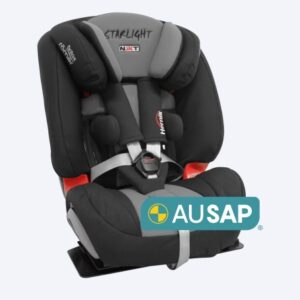
Designed for smaller children, the Starlight-NXT offers excellent postural support and comfort with features like padded harnesses and adjustable components. It can grow with the child — even up to around 36 kg — and is widely recognised for its support and adaptability.
For more info visit: https://acmobility.com.au/product/starlight-nxt/
AUSAP registration means these car seats have been independently assessed for safety and performance beyond what standard child restraints offer. For parents, carers and health professionals, this independent assessment provides confidence that the product meets stringent criteria for specialised vehicle travel needs.
If you’re considering a special purpose car seat, it’s always recommended to work with an allied health professional to assess the child’s specific needs and ensure the right seat and configuration are selected.
When it comes to comfort, safety and care at home, choosing the right bed system, mattress and additional support products is essential whether you’re supporting recovery, improving independence, or managing mobility needs. AC Mobility offers a range of options suited to different care levels, budgets, and preferences.
Below, we break down key products to help you decide what’s right for your situation.
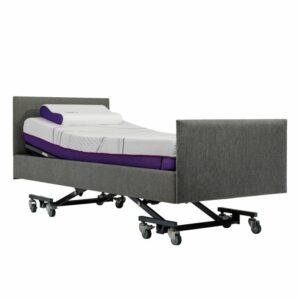
A premium homecare bed base designed to bring hospital-grade comfort into a residential setting.
Excellent for long-term care needs where positioning, posture and ease of transfer matter.
For more info visit: Adjustable Beds Archives - AC MOBILITY
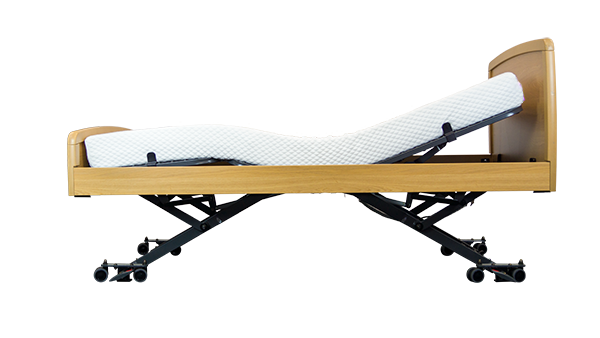
A stylish home care bed with clinical performance, perfect if you want both comfort and a welcoming bedroom look.
For more info visit: Adjustable Beds Archives - AC MOBILITY
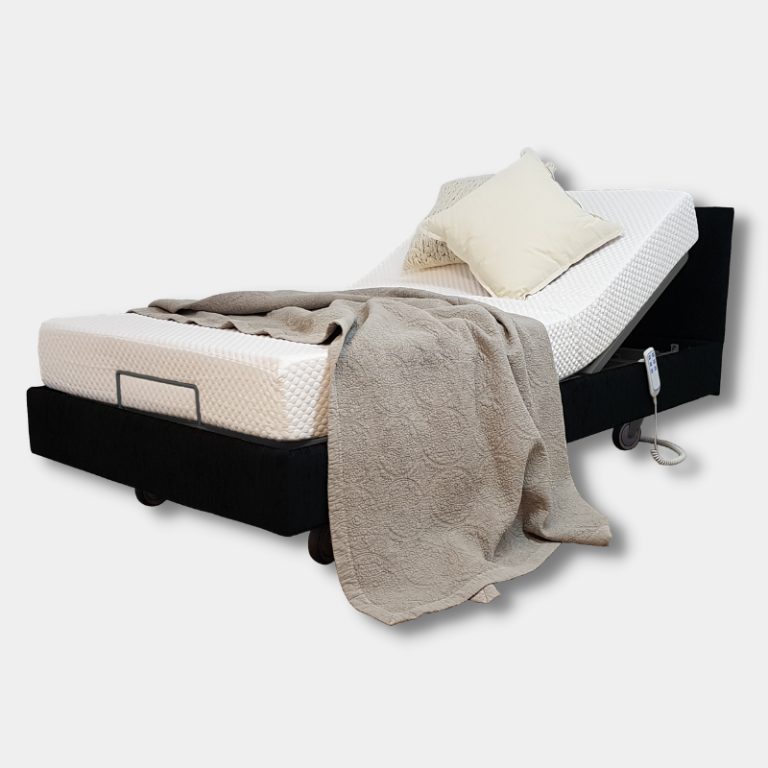
A essential homecare bed that’s easier on the budget but still offers essential positioning features.
For more info visit: Adjustable Beds Archives - AC MOBILITY
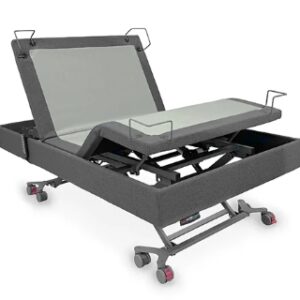
A low-height, safety-focused bed designed to reduce injury risk from falls while still providing essential electric positioning support.
Key features:
For more info visit: Adjustable Beds Archives - AC MOBILITY
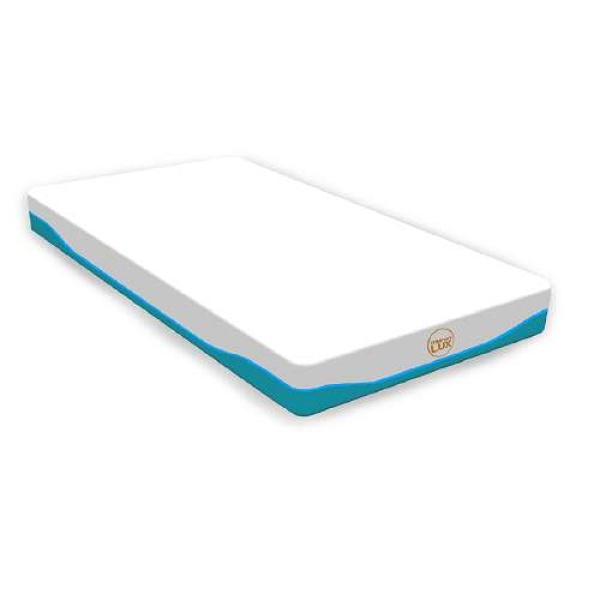
A comfort-focused mattress that’s supportive yet affordable, great paired with adjustable beds for everyday use. Available in 150mm, 200mm 250mm
Who it suits: Those wanting a comfortable, breathable surface for day-to-day sleep.
Best for: Residential settings, basic pressure relief.
ActiveX technology mattress designed to balance support and comfort.
Who it suits: Users who need medium support — not too firm, not too soft.
Why it’s good: Flexible comfort with some pressure relief benefits.
A premium alternating air system mattress (ARIA+) with pump, ideal for serious pressure care and pressure injury prevention.
Who it suits: Users with high pressure-care needs, long-term immobility, or risk of pressure sores.
A medical-grade mattress with enhanced pressure distribution. Often recommended when clinical support is needed without an air system.
Best for: High-care environments or users with sensitive skin/pressure injury concerns.
VIEW OUR FULL RANGE HERE: Mattresses Archives - AC MOBILITY
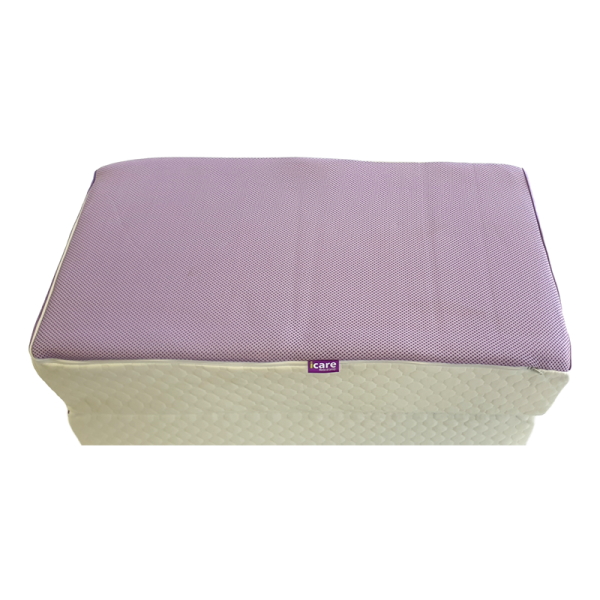
In addition to base beds and mattresses, AC Mobility offers a range of pillows, positioning supports and bedroom aids that dramatically improve comfort and functional support especially when paired with adjustable beds and pressure-relieving surfaces.
These include:
These products help:
✨ What’s coming up in February ✨
February is filled with important days that recognise strength, resilience, and the lived experiences of many people and families.
Here’s what we’re acknowledging this month:
Physical Disability Awareness Day – 2 February
Celebrating inclusion, accessibility, and the right for everyone to participate fully in their community.
Rheumatoid Arthritis Awareness Day – 2 February
Shining a light on an often invisible condition that can significantly impact mobility, energy, and daily life.
World Cancer Day – 4 February
A reminder of the many journeys people face during treatment, recovery, and beyond and the importance of dignity, comfort, and support at every stage.
Random Acts of Kindness Day – 17 February
Because sometimes the smallest act — patience, understanding, or help — can make the biggest difference.

Choosing the right power wheelchair often comes down to understanding how different models match your lifestyle and mobility needs. AC Mobility offers several lightweight and transport-friendly options, each designed with portability, comfort and performance in mind. Below is a comparison of five popular electric wheelchairs that are ideal for travel, everyday use and easy handling.
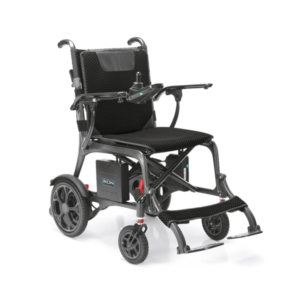
The Ikon Enduro Power Lite stands out for its carbon fibre frame combined with a foldable design that’s geared toward everyday use and transport convenience. It includes a padded seat and backrest, lift-up armrests, and an onboard controller with an LCD display for intuitive operation. Safety features like anti-tip wheels, an electromagnetic brake, and front suspension contribute to a smooth ride. This model reaches speeds up to 6 km/h and offers a range up to approximately 18 km on a single charge.
Key characteristics:
Safety: Suspension, anti-tip wheels, brakes
For more info visit: https://acmobility.com.au/product/ikon-enduro-power-lite-carbon-fibre-electric-wheelchair/
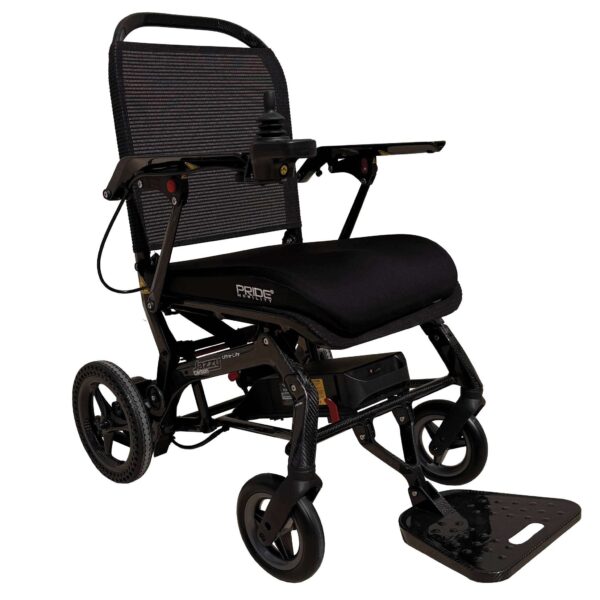
The Pride Jazzy Carbon Ultra Lite emphasizes lightweight performance within a durable carbon fibre design. It folds quickly for transport and storage, making it suitable for active lifestyles. With a rear-wheel drive system and electromagnetic braking, it offers stable control in various environments. This model has a maximum speed of about 6 km/h and a battery range that can extend up to 20 km per charge.
Key characteristics:
Capacity: Up to ~136 kg user weight
For more info visit: https://acmobility.com.au/product/pride-jazzy-power-lite-carbon-fibre-power-wheelchair/
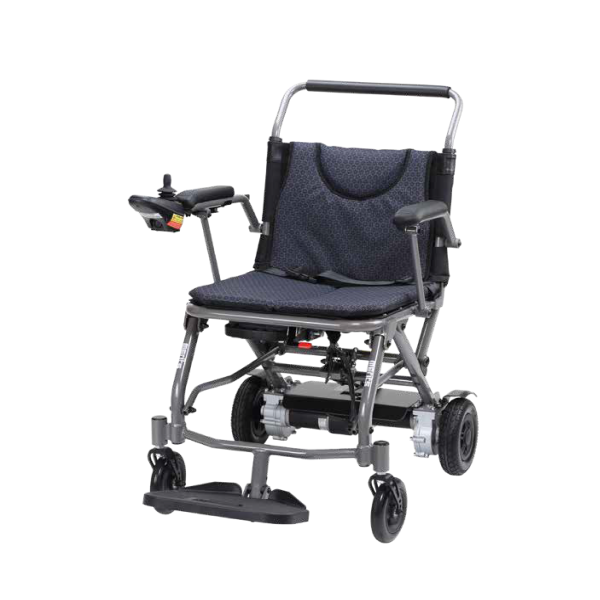
For those prioritising compact design and manoeuvrability, the Merits Fold & Go offers a straightforward folding mechanism that makes transport and storage easy. Adjustable features such as the footplate and backrest allow for personalised comfort, and the removable battery box includes a charge indicator with off-board charging capability. Typical specifications include a range around 11 km and a top speed of about 6-7 km/h.
Key characteristics:
Braking: Regenerative electromagnetic brakes
For more info visit: https://acmobility.com.au/product/merits-fold-and-go-electric-foldable-wheelchair/
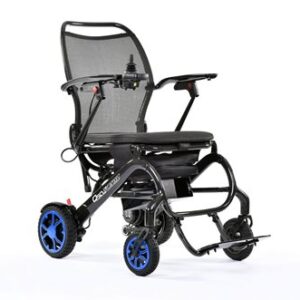
The QUICKIE Q50 R Carbon uses a premium carbon fibre frame to achieve an exceptionally low base weight, which is particularly useful for frequent transport. This model combines lightness with performance, offering a range of up to 12 km with one battery and up to 24 km with an optional second battery. Its small turning radius supports easy navigation in tighter indoor spaces, and airline-friendly batteries make travel more convenient.
Key characteristics:
For more info visit: https://acmobility.com.au/product/quickie-q50-r-carbon/
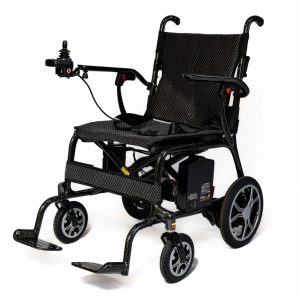
The Rothcare Lite Ryder is one of the lighter powerchairs available, with an assembled weight of around 13 kg including the battery. Its carbon fibre folding frame makes it easy to lift and stow, ideal for vehicle travel and everyday portability. Equipped with a USB port on the joystick and removable battery pack, this model offers user-friendly features alongside a range of around 10 km at a top speed of approximately 4.5 km/h.
Key characteristics:
For more info visit: https://acmobility.com.au/product/rothcare-lite-ryder/
When thinking about which chair might suit your needs, here are a few aspects to consider:
Each of these lightweight power wheelchairs has its own blend of design, performance and convenience features and exploring these differences can help you match a chair to your lifestyle, travel routine and mobility priorities.
VIEW OUR FULL RANGE HERE: Electric Wheelchairs - AC Mobility
What’s On in January
Jan 3 Festival of Sleep Day
a light hearted holiday dedicated to the joys of sleep and relaxation.
Jan 4 World Braille Day
a reminder that accessibility matters in every home
Jan 11 International Thank You Day
a day to pause and express gratitude to the people who support our journeys.